Vertical Concrete Surfaces: Modern Solutions for Walls, Facades, and Architectural Features
By Total Care Concrete Tue Mar 24 20267 minutes
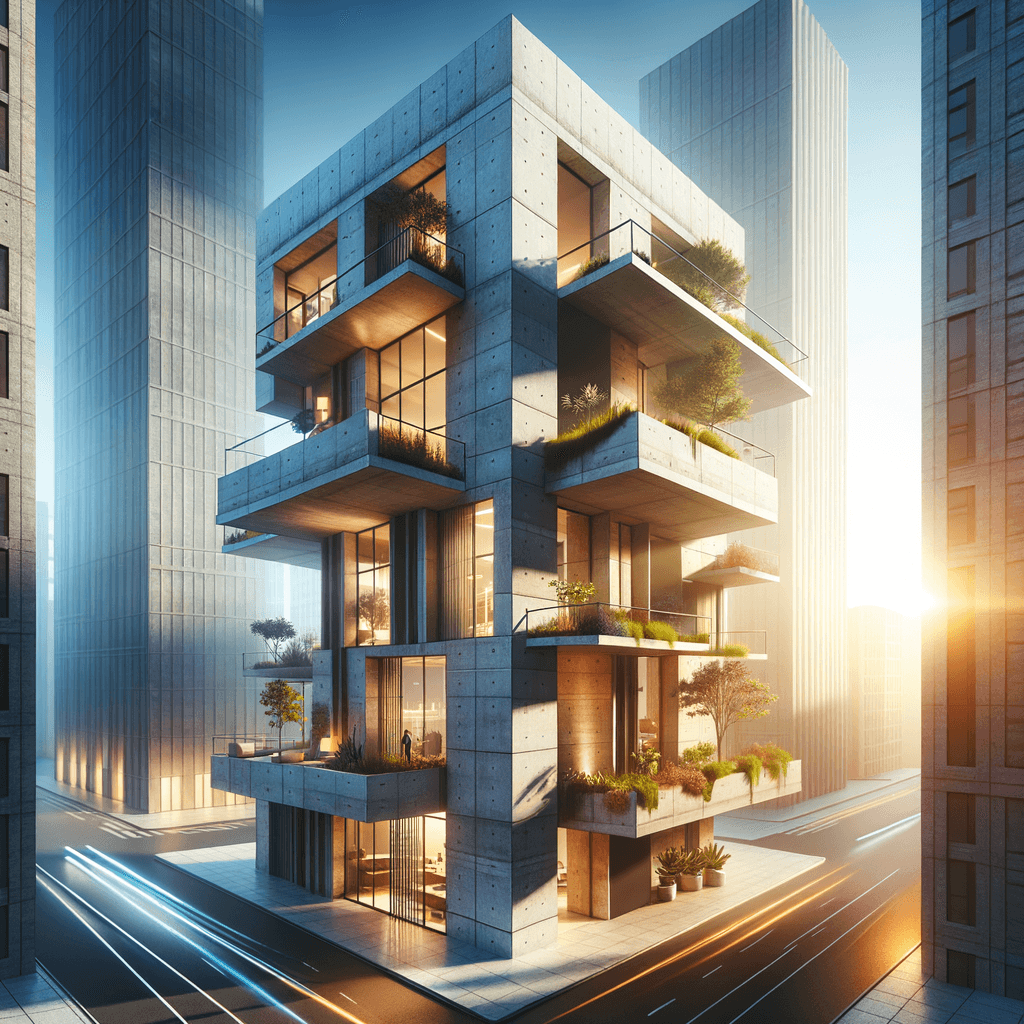
The Rise of Vertical Concrete in Contemporary Architecture
Vertical concrete surfaces have emerged as a defining element in modern construction, offering both structural integrity and compelling aesthetics. From sleek commercial facades to dramatic interior feature walls, innovative concrete applications are transforming the visual and functional landscape of buildings.“Vertical concrete isn’t just a building material—it’s a canvas for creativity and resilience in architecture.”
Key Benefits of Vertical Concrete Applications
- Exceptional durability against weathering and impact
- Versatile design options including textured, colored, or sculpted finishes
- Low maintenance compared to traditional cladding materials
- Thermal and acoustic performance improvements
- Potential for seamless integration with other structural elements
Trending Finishes and Techniques for Vertical Concrete
Architects and builders are leveraging advanced finishing methods to push the boundaries of vertical concrete design. These techniques provide unique visual effects while enhancing the tactile experience of walls and facades.- Board-formed concrete for natural wood-grain impressions
- Sandblasted and acid-etched textures for depth and shadow play
- Ultra-smooth, high-gloss surfaces for minimalist interiors
- Embedded patterns or reliefs using custom molds
- Pigmented concrete for enduring color without surface coatings
Comparing Vertical Concrete Systems: Precast vs. Cast-in-Place
Choosing between precast and cast-in-place vertical concrete systems can impact project timelines, costs, and design flexibility. Understanding the distinctions helps stakeholders make informed decisions for their specific needs.| System Type | Advantages | Ideal Uses |
| Precast Panels | Faster installation, high quality control, complex shapes possible | Large facades, modular construction, tight site constraints |
| Cast-in-Place | On-site customization, monolithic appearance, integrated reinforcement | Curved walls, unique site-specific features, structural elements |
Installation Considerations and Common Challenges
Proper planning and execution are crucial for the success of vertical concrete surfaces. Factors like formwork precision, curing conditions, and anchoring systems directly affect the final outcome and longevity of the structure.- Ensuring accurate formwork alignment for clean lines and details
- Managing moisture content and curing to prevent surface cracking
- Selecting compatible reinforcement and anchoring methods
- Coordinating with other trades for embedded elements or utilities
Maintenance Strategies for Long-Lasting Beauty
While vertical concrete is inherently robust, proactive maintenance preserves both its appearance and structural performance. Regular inspections and timely interventions can prevent minor issues from escalating.“Routine care and early attention to surface changes are the keys to preserving vertical concrete for decades.”