Textured Concrete Walls: Transforming Vertical Spaces with Modern Techniques
By Total Care Concrete Sat Mar 14 20267 minutes
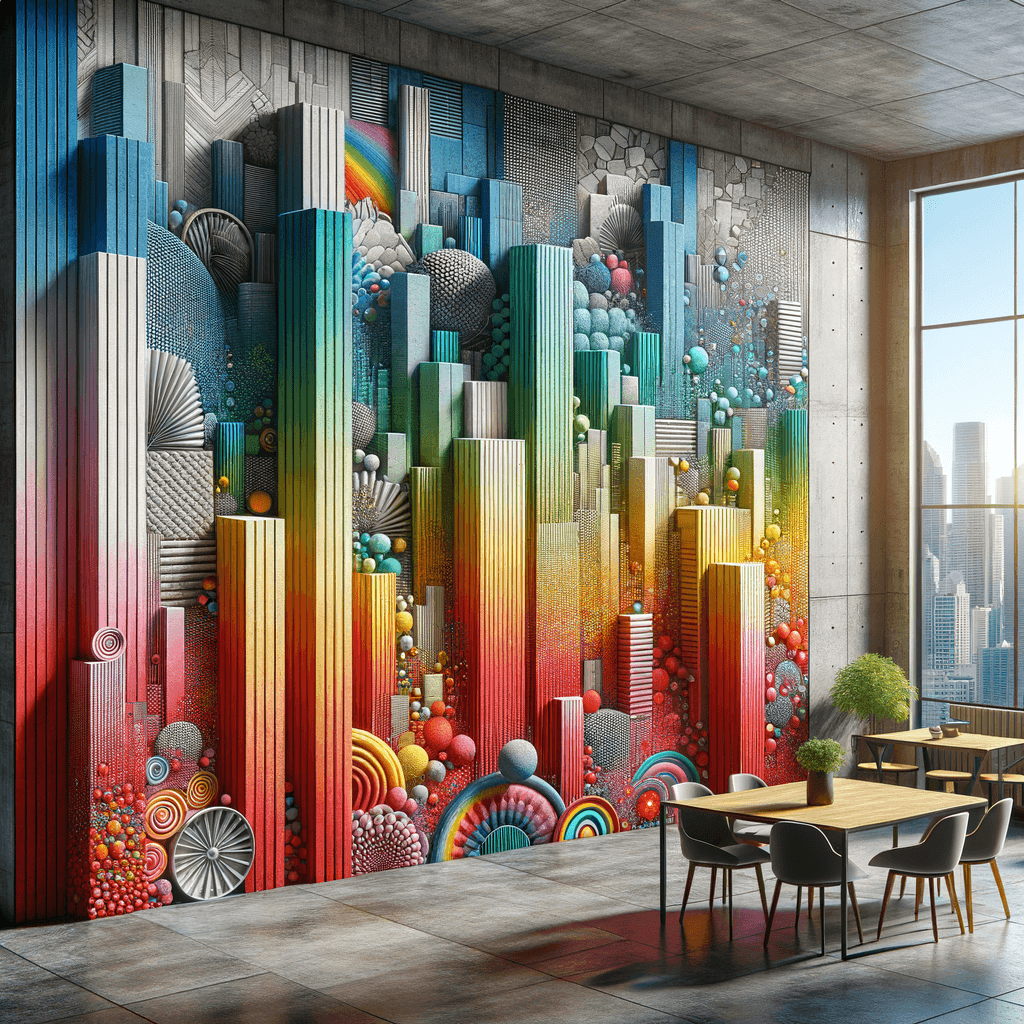
Introduction to Textured Concrete Walls
Textured concrete walls are rapidly emerging as a preferred choice for both residential and commercial projects seeking to balance durability with striking visual appeal. Unlike traditional flat surfaces, these walls incorporate intricate patterns and tactile finishes that can mimic stone, wood, or bespoke abstract designs, elevating the ambiance of any space.Why Choose Textured Concrete for Vertical Surfaces?
Homeowners and designers are increasingly drawn to textured concrete walls for their ability to add depth and dimension to interiors and exteriors. These finishes not only enhance aesthetic value but also offer superior resistance to weathering, abrasion, and staining compared to painted or plastered surfaces.- Enhanced durability and longevity
- Low maintenance requirements
- Versatile design options for customization
- Improved resistance to moisture and impacts
Popular Texturing Techniques for Concrete Walls
Modern advancements have expanded the repertoire of texturing methods, allowing for intricate and consistent finishes. Techniques range from hand-troweled artistry to the use of innovative molds and form liners, each imparting a unique character to the finished wall.- Stamped textures for replicating natural materials like slate or brick
- Form liner systems for large-scale, repeating patterns
- Sandblasting and acid etching for subtle, matte finishes
- Trowel-applied overlays for bespoke, artisanal effects
“The right texture can turn a utilitarian wall into a focal point that tells a story and enhances the entire environment.”
Comparing Textured Concrete Finishes: Performance & Aesthetics
Selecting the optimal texturing technique involves balancing performance criteria with design aspirations. The table below compares some of the most sought-after finishes in terms of durability, maintenance, and visual impact.| Finish Type | Durability | Maintenance | Visual Impact |
| Stamped | High | Low | Bold, detailed |
| Sandblasted | Moderate | Low | Soft, understated |
| Form Liner | High | Low | Crisp, repetitive |
| Trowel Overlay | Moderate | Moderate | Highly customizable |
Installation Considerations and Best Practices
Achieving flawless textured concrete walls requires meticulous surface preparation, precise timing, and skilled application. Factors such as substrate condition, curing environment, and sealant selection significantly influence the final outcome and longevity of the finish.- Ensure substrate is clean, stable, and properly primed
- Use high-quality release agents for crisp pattern transfer
- Control ambient temperature and humidity during curing
- Seal the surface with UV-resistant, breathable coatings
Maintenance Tips for Lasting Beauty
While textured concrete walls are inherently robust, proactive maintenance is key to preserving their appearance and structural integrity. Regular cleaning and periodic resealing help prevent staining and surface degradation, especially in high-traffic or outdoor environments.- Dust and wash surfaces with non-abrasive cleaners
- Inspect for cracks or chips annually
- Reapply sealant every 3–5 years based on exposure
- Address stains promptly to avoid deep penetration
“Consistent care ensures that textured concrete walls remain both beautiful and functional for decades.”