
Polished Concrete Floors: Modern Elegance Meets Durability in Commercial Spaces
By Total Care Concrete Fri Jan 09 20267 minutes
Why Polished Concrete Is Dominating Commercial Flooring
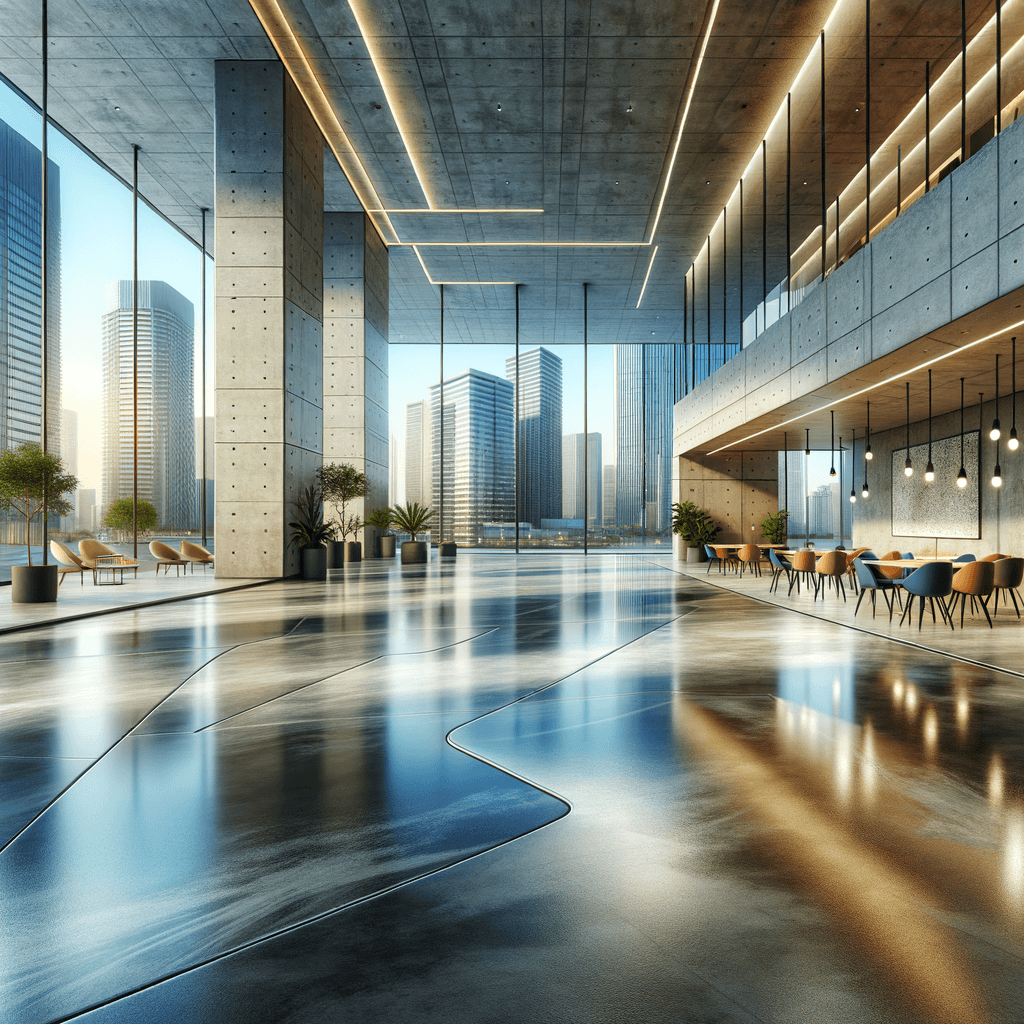
Polished concrete has rapidly become the flooring material of choice in modern commercial environments. Its seamless finish, impressive durability, and low-maintenance profile address the core needs of business owners seeking both form and function. Unlike traditional flooring, polished concrete stands up to heavy foot traffic, resists staining, and reflects light to brighten interiors, making it ideal for retail, office, and hospitality spaces.“A well-executed polished concrete floor transforms a utilitarian surface into a statement of contemporary sophistication and resilience.”
The Science Behind Polished Concrete’s Durability
The resilience of polished concrete stems from its densification process. During installation, chemical hardeners penetrate the surface, reacting with calcium hydroxide to form calcium silicate hydrate—an exceptionally hard compound. The subsequent grinding and polishing stages refine the surface, closing pores and creating a mirror-like sheen that is both functional and visually striking.Popular Design Trends in Polished Concrete
Today’s polished concrete floors are far from monotonous. Advances in staining, scoring, and aggregate exposure allow for customized aesthetics that complement any brand or interior theme. Clients can select from matte to high-gloss finishes, incorporate colored dyes, or reveal decorative aggregates for a terrazzo-inspired effect.- Exposed Aggregate Finishes: Showcasing embedded stones for a natural, textured appearance.
- Metallic Epoxy Overlays: Adding a luminous, high-impact look with metallic pigments.
- Custom Scoring Patterns: Geometric lines or company logos etched into the surface.
- Tinted Dyes and Stains: Infusing color to match branding or create visual zones.
Comparing Polished Concrete to Traditional Flooring Options
When evaluating flooring for commercial spaces, factors like longevity, maintenance, and lifecycle costs are crucial. Polished concrete consistently outperforms alternatives such as vinyl, tile, and carpet in these areas. Its monolithic surface eliminates grout lines, reducing maintenance and allergens, while its reflectivity can lower lighting costs.| Flooring Type | Durability | Maintenance | Lifespan | Aesthetic Options |
| Polished Concrete | High | Low | 20+ years | Customizable finishes |
| Vinyl | Medium | Medium | 10-15 years | Limited patterns |
| Tile | Medium | High (grout) | 15-20 years | Varied, but with seams |
| Carpet | Low | High | 5-10 years | Wide range, but stains easily |
Maintenance Best Practices for Polished Concrete Floors
Preserving the brilliance and longevity of polished concrete requires a tailored maintenance regimen. Daily dust mopping, periodic wet cleaning with pH-neutral solutions, and prompt spill management are essential. Unlike waxed surfaces, polished concrete never needs stripping or recoating, reducing both costs and downtime.- Use microfiber pads for daily dust control.
- Clean with neutral-pH cleaners to avoid surface etching.
- Address spills immediately to prevent staining.
- Schedule periodic professional burnishing for high-traffic zones.
“The simplicity of maintaining polished concrete is a game-changer for facility managers aiming to reduce operational headaches.”