
High-Performance Concrete for Industrial Flooring: Maximizing Durability and Efficiency
By Total Care Concrete Mon Jan 26 20267 minutes
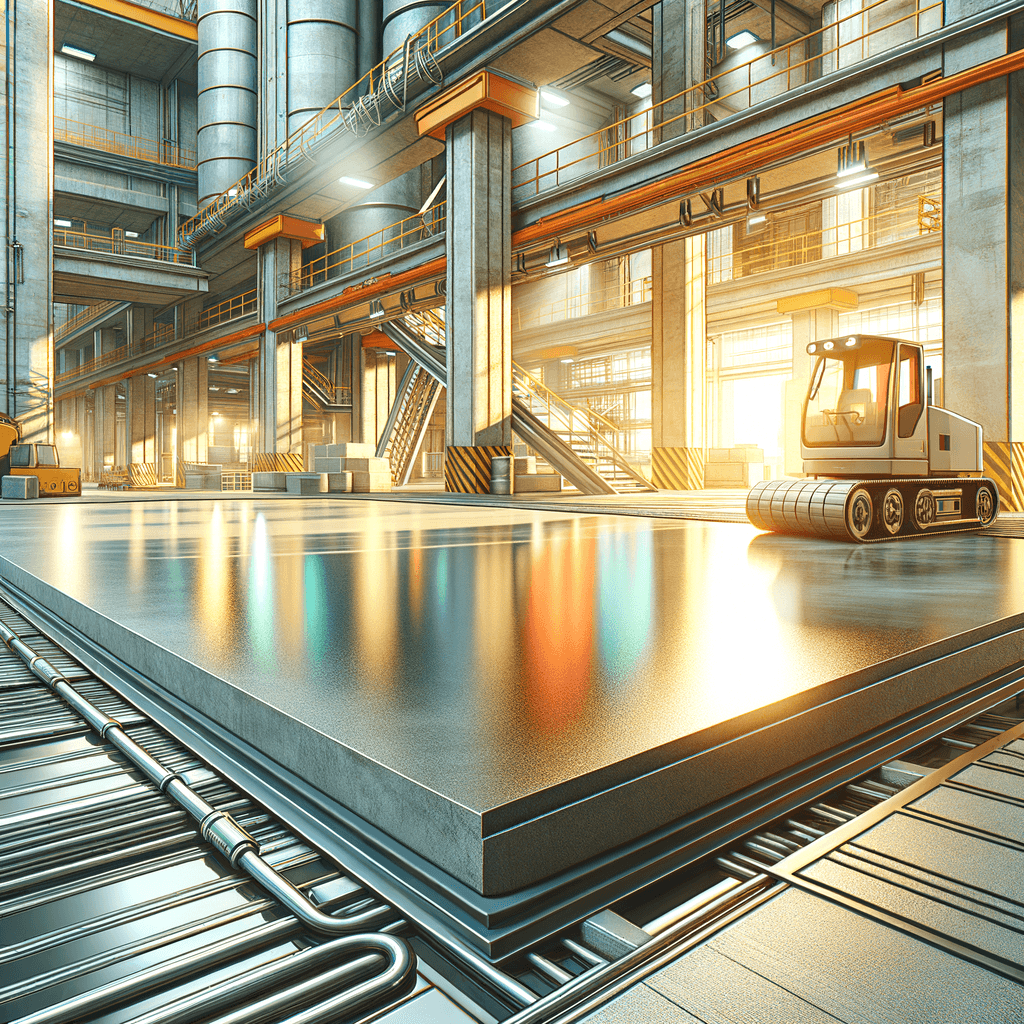
Understanding High-Performance Concrete in Industrial Flooring
Industrial facilities demand flooring solutions that can withstand extreme loads, chemical exposure, and continuous traffic. High-performance concrete (HPC) has emerged as a preferred choice, engineered to deliver superior compressive strength, abrasion resistance, and longevity compared to conventional mixes. But what exactly sets HPC apart in industrial applications?Key Benefits of High-Performance Concrete for Industrial Environments
- Exceptional load-bearing capacity for heavy machinery and vehicles
- Superior abrasion and impact resistance, reducing surface wear
- Enhanced chemical resistance to oils, acids, and industrial solvents
- Minimal shrinkage and cracking, ensuring long-term structural integrity
- Faster installation and curing times, minimizing operational downtime
“The right concrete mix can mean the difference between years of trouble-free service and costly repairs in a high-traffic facility.”
Comparing High-Performance Concrete Mixes: Features and Suitability
Selecting the appropriate HPC mix is critical to achieving optimal performance in your facility. The table below outlines common types of high-performance concrete used in industrial flooring, comparing their features and ideal use cases.| Type | Key Features | Best Use Cases |
| Silica Fume Concrete | Ultra-high strength, reduced permeability | Warehouses, chemical plants |
| Polymer-Modified Concrete | Enhanced flexibility, chemical resistance | Food processing, pharmaceutical plants |
| Steel Fiber-Reinforced Concrete | Superior impact and fatigue resistance | Loading docks, heavy equipment zones |
| Self-Leveling Concrete | Smooth, rapid installation | Production lines, cleanrooms |
Installation Best Practices for Industrial Concrete Floors
Proper installation is paramount to unlocking the full potential of high-performance concrete. Specialized placement, finishing, and curing techniques are required to prevent defects and ensure a flawless, resilient surface.- Substrate preparation: Remove contaminants and repair existing damage before pouring.
- Precision mixing: Use calibrated batching for consistent admixture dispersion.
- Controlled curing: Employ moisture-retaining methods to prevent premature drying and shrinkage.
- Surface treatments: Apply densifiers or epoxy overlays for additional protection.
“Investing in professional installation is not just a cost—it's an insurance policy for your facility's productivity and safety.”
Maintaining and Extending the Life of Industrial Concrete Floors
Even the most robust flooring requires routine maintenance to preserve its structural and aesthetic qualities. A proactive approach can help you avoid unscheduled repairs and extend the lifespan of your investment.- Regular cleaning to remove abrasive debris and chemical residues.
- Scheduled inspections for early detection of cracks or joint failures.
- Prompt repairs using compatible high-performance patching materials.
- Periodic resealing or recoating to reinforce surface protection.