Concrete Walkways: Designing Durable Paths for Residential Landscapes
By Total Care Concrete Wed Mar 11 20267 minutes
The Role of Concrete Walkways in Modern Landscaping
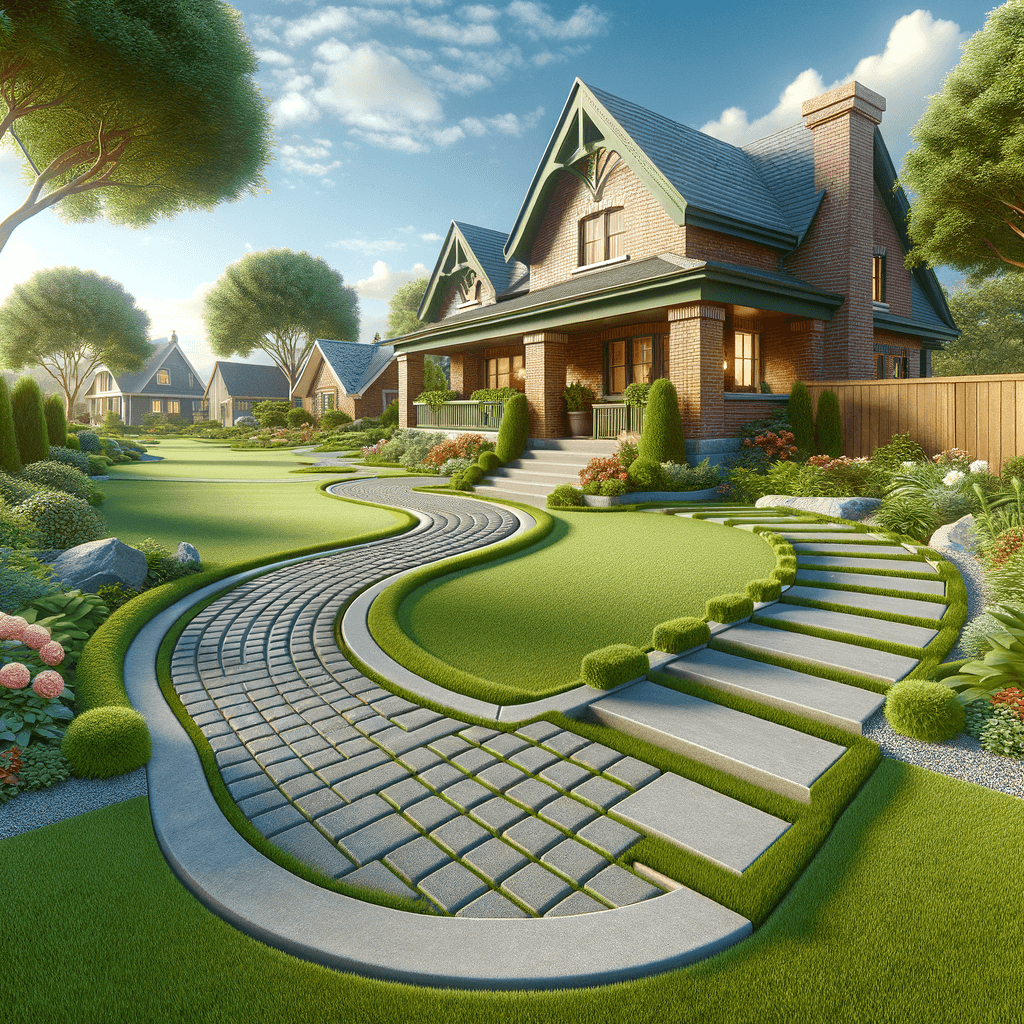
Concrete walkways have evolved from basic utilitarian paths to integral elements in residential landscape design. They guide movement, connect outdoor spaces, and contribute significantly to curb appeal. Homeowners increasingly seek walkways that balance durability with design, aiming for surfaces that withstand foot traffic, weather, and time while elevating the visual harmony of their gardens and entryways.“A well-designed concrete walkway is more than a path—it’s a statement that blends function and artistry in every step.”
Emerging Trends in Concrete Walkway Design
Today’s concrete walkways offer a palette of design possibilities, from organic curves to geometric precision. Advances in finishing techniques and coloring methods allow for truly bespoke pathways that complement any architectural style.- Textured finishes that mimic natural stone or wood grain
- Custom scoring and saw-cut patterns for modern aesthetics
- Incorporation of colored aggregates for visual interest
- Integration of LED lighting channels for nighttime appeal
- Border inlays using contrasting concrete or pavers
Installation Methods: Ensuring Longevity and Performance
Proper installation is paramount for walkway durability. Subgrade preparation, reinforcement, and precise pouring techniques all contribute to the lifespan and resilience of the finished path. Homeowners often underestimate the importance of drainage and expansion control, both of which can prevent costly repairs down the road.- Excavating and compacting the subgrade to prevent settling
- Using welded wire mesh or rebar for added structural integrity
- Applying control joints to manage cracking
- Ensuring proper slope for water runoff
- Curing concrete under optimal moisture and temperature conditions
Concrete Walkways vs. Alternative Path Materials
Choosing the right material for walkways involves weighing aesthetics, maintenance, and cost. While options like brick, gravel, and natural stone each have their merits, concrete stands out for its versatility and performance in diverse climates.| Material | Durability | Maintenance | Cost (per sq. ft.) |
| Concrete | High | Low | $6–$12 |
| Brick | Medium | Medium | $10–$20 |
| Natural Stone | High | Medium-High | $15–$30 |
| Gravel | Low | High | $2–$5 |
Maintenance Strategies for Lasting Beauty
To preserve both the structural and aesthetic qualities of a concrete walkway, routine maintenance is essential. Neglect can lead to staining, surface spalling, or weed encroachment, all of which detract from the walkway’s appeal and usability.- Sweep regularly to remove debris and prevent surface abrasion
- Apply a high-quality concrete sealer every 2–3 years
- Address cracks promptly with flexible sealant to prevent water infiltration
- Remove stains using pH-neutral cleaners
- Trim adjacent vegetation to prevent root intrusion