Concrete Paver Installation: Precision Craftsmanship for Enduring Outdoor Spaces
By Total Care Concrete Mon Feb 02 20268 minutes
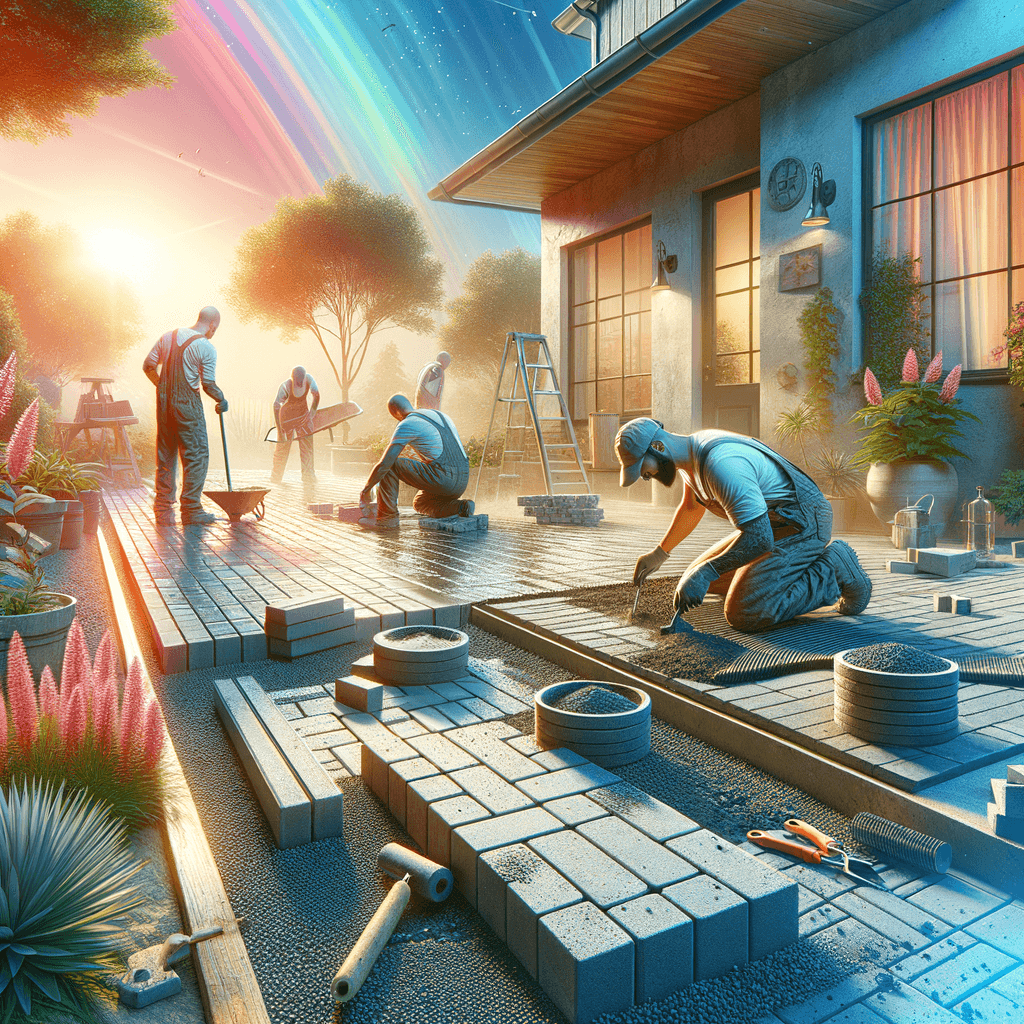
The Rise of Concrete Pavers in Modern Landscape Design
Concrete pavers have become a staple in contemporary outdoor design, offering a harmonious blend of durability, versatility, and aesthetic appeal. Unlike poured concrete slabs, pavers provide modular flexibility, allowing homeowners and designers to create intricate patterns, borders, and color contrasts that elevate patios, walkways, and courtyards.“Precision in the installation process is what separates a lasting outdoor surface from one that quickly succumbs to the elements.”
Essential Steps for a Resilient Concrete Paver Base
The foundation of any long-lasting paver installation lies beneath the surface. Proper sub-base preparation is critical to prevent shifting, settling, and weed intrusion. Skipping or rushing these steps often leads to premature failures, uneven surfaces, and costly repairs.- Excavation to the recommended depth based on soil type and intended load
- Compaction of the subgrade using a plate compactor
- Installation of a geotextile fabric to inhibit weed growth and enhance stability
- Layering and compacting a crushed stone or gravel base
- Applying a bedding layer of sharp sand for leveling
Choosing the Right Paver Patterns and Layouts
Pattern selection is not merely about aesthetics; it also impacts the structural integrity of the paved area. Certain interlocking designs distribute loads more effectively, reducing the risk of movement and edge separation over time.- Herringbone: Ideal for driveways and high-traffic zones due to superior interlock
- Basketweave: A classic choice for patios and garden paths
- Running Bond: Simple yet effective for linear spaces
- Circular or Fan: Adds visual interest to courtyards and focal points
Joint Stabilization: The Key to Weed-Free, Durable Surfaces
The spaces between concrete pavers are vulnerable to weed growth, ant intrusion, and erosion if not properly treated. Joint stabilization using polymeric sand or advanced jointing compounds locks pavers in place and minimizes maintenance needs.“A well-stabilized joint is the unsung hero of every enduring paver project.”
Comparing Concrete Pavers to Natural Stone and Brick
While natural stone and brick have their own unique charm, concrete pavers offer advantages in terms of cost, color consistency, and customizability. The following table highlights key differences to help you make an informed choice for your next outdoor project.| Feature | Concrete Pavers | Natural Stone | Brick |
| Cost | Moderate | High | Moderate |
| Color Options | Extensive | Limited | Limited |
| Shape Variety | High | Moderate | Low |
| Installation Complexity | Moderate | High | Low |
| Maintenance | Low | Moderate | Low |
Proactive Maintenance for Long-Lasting Appeal
Routine care extends the life and appearance of your concrete paver surfaces. Neglecting maintenance can result in fading, joint erosion, and unsightly stains, undermining your investment and curb appeal.- Annual cleaning with a mild detergent and low-pressure wash
- Replenishing joint sand every few years
- Promptly removing organic debris to prevent staining
- Applying a penetrating sealer for enhanced stain resistance and color retention