
Concrete Garden Paths: Designing Durable and Artistic Outdoor Walkways
By Total Care Concrete Sun Feb 08 20267 minutes
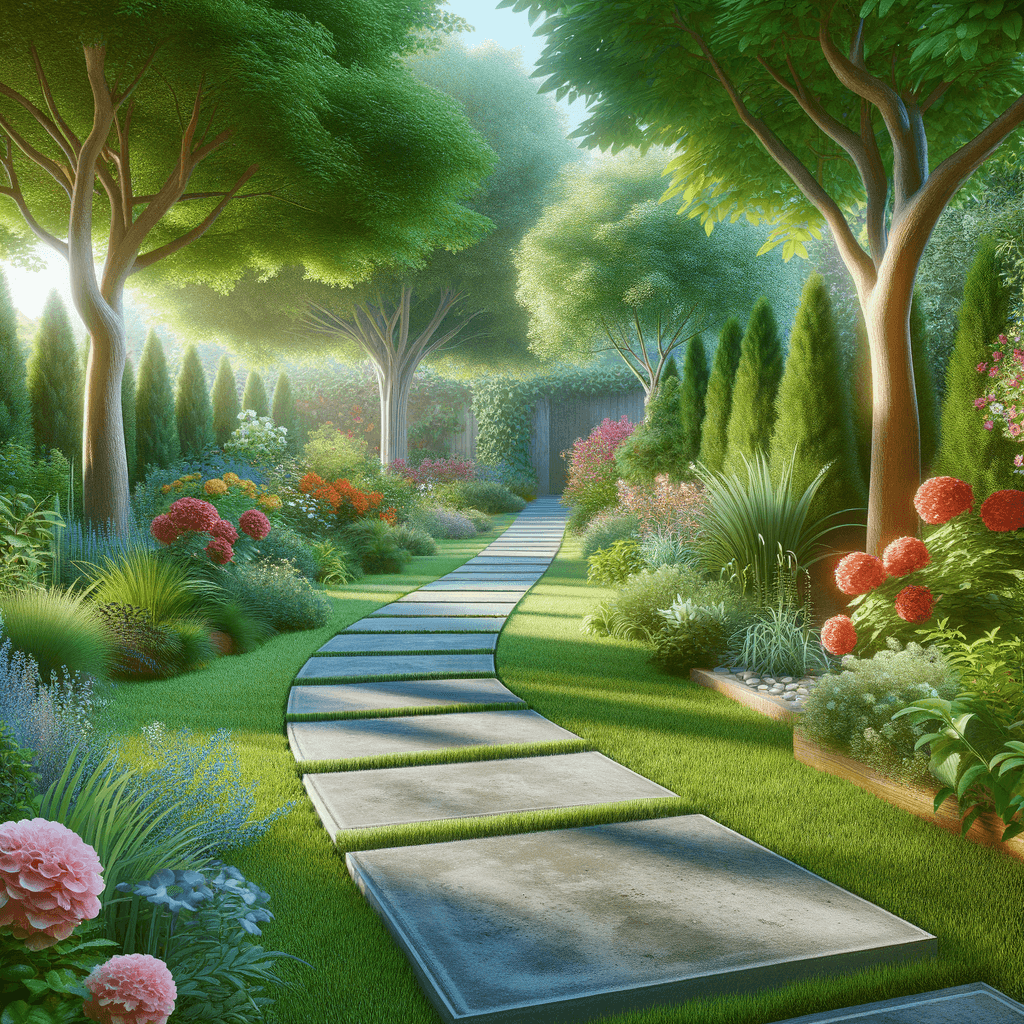
The Unique Appeal of Concrete Garden Paths
Concrete garden paths offer homeowners and landscape designers a harmonious blend of durability, versatility, and aesthetic potential. Unlike traditional stone or gravel walkways, concrete can be shaped, textured, and colored to complement any garden theme, from minimalist Zen retreats to lush cottage gardens. As outdoor living spaces become extensions of the home, the demand for customized, low-maintenance pathways continues to rise.Innovative Design Trends in Concrete Walkways
Modern garden paths are far from utilitarian. Today’s concrete solutions incorporate artistic elements and advanced techniques to create visually stunning walkways that serve as focal points in the landscape. Homeowners are increasingly seeking unique finishes and patterns to elevate curb appeal and personalize their outdoor environments.- Geometric scoring and angular layouts for a contemporary vibe
- Incorporation of inlaid mosaic tiles or colored glass for visual interest
- Use of textured stamps mimicking natural materials like wood or slate
- Multi-tonal staining and integral color blends for depth
- Curved and meandering paths to guide movement and evoke tranquility
“A thoughtfully designed concrete path can transform a simple garden into a sanctuary, guiding the eye and the foot with equal grace.”
Functional Considerations: Durability and Safety
Beyond aesthetics, concrete garden paths must withstand foot traffic, weather extremes, and shifting soils. Proper planning and material selection are essential to ensure longevity and user safety. Non-slip finishes, adequate drainage, and reinforced sub-bases are crucial for creating a path that endures for decades with minimal upkeep.| Consideration | Best Practice |
| Slip Resistance | Broom or exposed aggregate finishes |
| Drainage | Slight slope away from structures |
| Reinforcement | Fiber mesh or rebar for crack prevention |
| Edge Support | Concrete curbing or steel edging |
Installation Steps for a Lasting Concrete Garden Path
A successful concrete walkway project requires attention to site preparation, material choice, and finishing techniques. Each step contributes to the final path’s strength and appearance.- Mark and excavate the desired path layout, ensuring proper width and flow.
- Install a compacted gravel sub-base for stability and drainage.
- Set up edge forms to define the path shape and contain the pour.
- Pour high-quality concrete mix, considering additives for strength or color.
- Apply chosen texture or pattern while the concrete is still workable.
- Cure the concrete slowly, protecting it from rapid drying and temperature swings.
- Remove forms and backfill edges for seamless integration into the landscape.
Maintenance and Longevity: Keeping Your Path Pristine
While concrete is inherently robust, routine care extends its lifespan and preserves its beauty. Seasonal cleaning and proactive repairs prevent minor issues from escalating. Sealing decorative or colored surfaces shields against UV fading and staining, especially in high-traffic areas.“Regular maintenance is the secret to a garden path that remains as inviting as the day it was poured.”
Cost Breakdown: What to Expect When Budgeting
Budgeting for a concrete garden path involves more than just material costs. Design complexity, site conditions, and decorative enhancements all influence the final price. Comparing these factors helps homeowners make informed decisions and avoid unexpected expenses.| Factor | Typical Range (USD) |
| Basic broom-finished path | $8 - $12 per sq. ft. |
| Stamped or stained design | $14 - $20 per sq. ft. |
| Complex shapes or inlays | $18 - $30 per sq. ft. |
| Site preparation (per linear foot) | $2 - $5 |