Concrete Garage Floors: Innovations in Strength, Finish, and Maintenance
By Total Care Concrete Thu Feb 26 20267 minutes
The Unique Demands of Garage Flooring
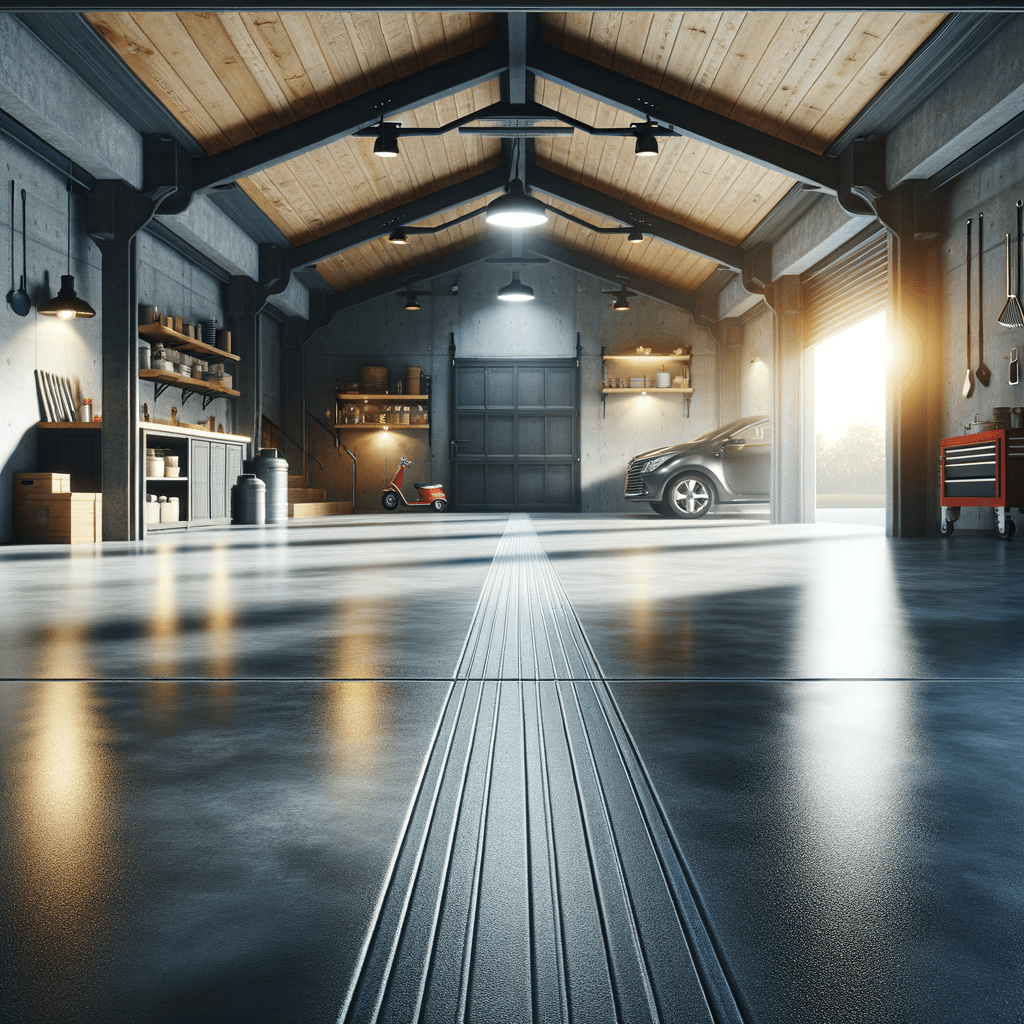
Garage floors endure unique stresses—vehicle traffic, chemical spills, temperature fluctuations, and heavy loads. Unlike residential interiors or patios, garages require concrete solutions that balance structural integrity with easy maintenance and visual appeal.Cutting-Edge Concrete Mixes for Garage Floors
Modern garage floors benefit from specialized concrete blends designed to withstand abrasion, oil, and deicing salts. Incorporating supplementary cementitious materials and advanced admixtures enhances both compressive strength and resistance to surface deterioration.- High-strength mixes with low water-cement ratios for reduced porosity
- Inclusion of silica fume or fly ash to improve durability
- Polymer-modified concrete for enhanced chemical resistance
- Air-entraining agents to mitigate freeze-thaw cycles
Surface Finishing Techniques: Beyond the Basic Slab
Gone are the days of plain gray garage floors. Today’s homeowners and facility managers can choose from a variety of finishing techniques that boost both aesthetics and performance.- Broom finishes for slip resistance
- Troweled or burnished finishes for a smooth, easy-to-clean surface
- Epoxy and polyaspartic coatings for seamless, stain-resistant protection
- Densifiers and sealers to reduce dusting and enhance longevity
“The best garage floor finish is one that aligns with both the intended use and the owner’s commitment to maintenance.”
Comparing Garage Floor Coatings: Epoxy vs. Polyaspartic
Choosing the right coating can dramatically affect the floor’s durability and appearance. Epoxy and polyaspartic systems are two leading options, each with distinct advantages and limitations. Consider factors such as cure time, UV stability, and resistance to hot tire pickup when making your selection.| Feature | Epoxy | Polyaspartic |
| Cure Time | 24-72 hours | 1-4 hours |
| UV Resistance | Moderate | Excellent |
| Chemical Resistance | High | High |
| Application Temperature | 50°F+ | -30°F to 140°F |
| Hot Tire Pickup | Possible | Minimal |
Preventing and Repairing Common Garage Floor Issues
Despite technological advances, even the best garage floors can develop cracks, spalling, or stains over time. Proactive maintenance and timely repairs are essential for preserving both function and appearance.- Promptly clean oil and chemical spills to prevent staining
- Use crack fillers and resurfacing compounds for minor damage
- Apply penetrating sealers every 2-3 years
- Address drainage issues to prevent water intrusion
Long-Term Maintenance Strategies for Garage Concrete
A well-maintained garage floor can last decades with minimal intervention. Routine cleaning, periodic resealing, and early detection of issues are key to maximizing lifespan and performance.“Routine maintenance is the cornerstone of a garage floor that stands the test of time.”