
Concrete Garage Floors: Engineering for Heavy Loads and Lasting Performance
By Total Care Concrete Sat Apr 04 20267 minutes
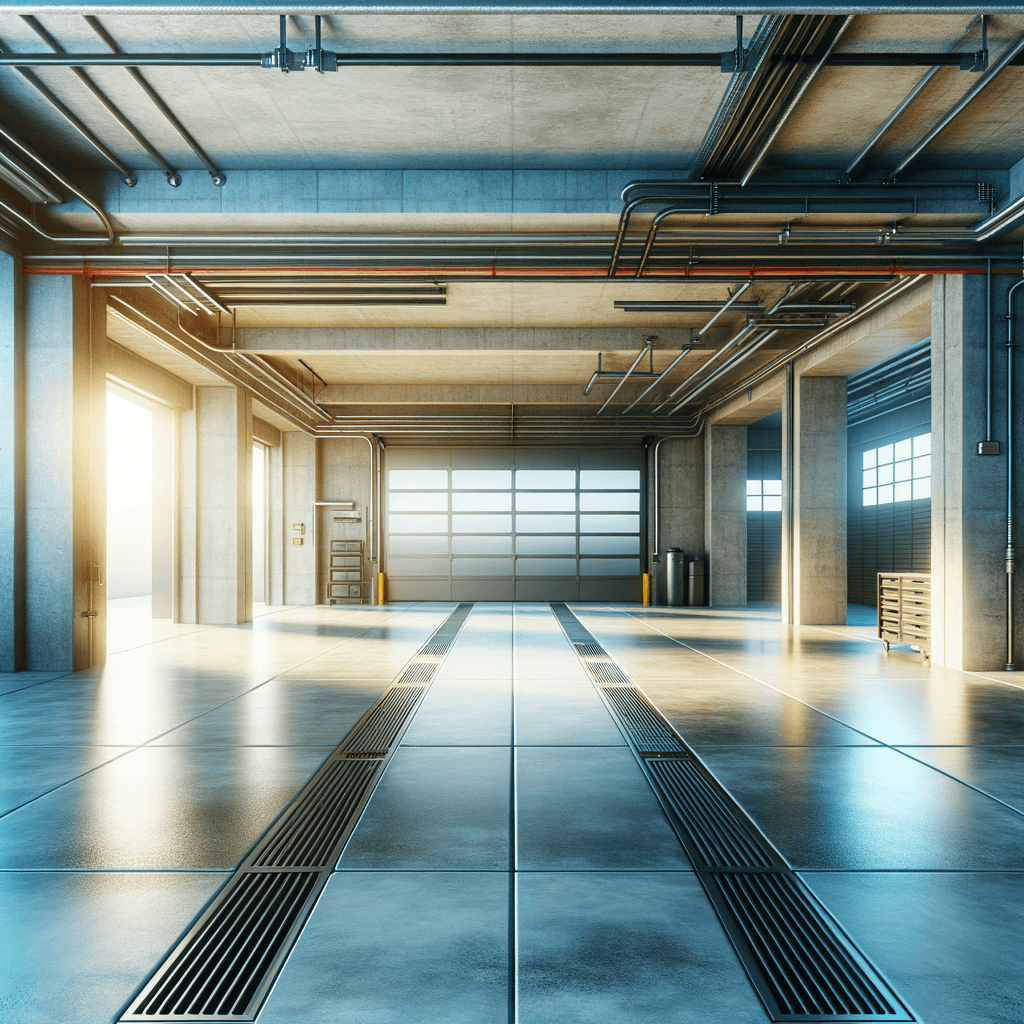
Understanding the Unique Demands of Garage Floors
Garage floors endure far more than just foot traffic. They face the constant pressure of parked vehicles, exposure to oil and chemical spills, temperature swings, and abrasive impacts. Homeowners and facility managers alike seek solutions that combine structural integrity with low maintenance and visual appeal.“A well-designed garage floor is the unsung hero of residential and commercial properties, bearing the brunt of daily use while quietly preserving the value of the space.”
Key Factors in Garage Floor Concrete Mix Design
Choosing the right concrete mix is critical for garage floors that must withstand substantial loads and resist surface damage. Engineers often recommend mixes with higher compressive strength, optimized water-cement ratios, and specific admixtures to enhance performance.- Compressive strength of at least 4,000 psi for residential garages
- Low water-cement ratio to reduce porosity and increase density
- Inclusion of air-entraining agents for freeze-thaw resistance
- Use of supplementary cementitious materials (SCMs) like fly ash for improved durability
Reinforcement Techniques for Crack Prevention and Load Distribution
To minimize the risk of cracking and ensure even load distribution, garage floors benefit from strategic reinforcement. The integration of steel rebar or welded wire mesh helps control shrinkage and supports heavy vehicles over time.- Steel rebar grids for primary structural support
- Welded wire mesh to control shrinkage cracks
- Microfibers for secondary crack resistance and surface durability
Surface Finishing and Protective Treatments
The finishing process directly affects both the performance and aesthetics of a garage floor. Proper finishing reduces dusting, enhances resistance to tire marks, and prepares the surface for optional coatings or sealers that guard against stains and chemical penetration.| Finishing Method | Benefits |
| Trowel Finish | Smooth, dense surface; easy to clean |
| Broom Finish | Slip resistance; subtle texture |
| Epoxy or Polyaspartic Coating | Chemical resistance; customizable appearance |
Maintenance Strategies for Longevity and Appearance
Regular maintenance is essential for maximizing the lifespan of a concrete garage floor. Proactive care not only preserves the structural integrity but also keeps the surface looking fresh and professional, even in high-traffic environments.- Prompt cleaning of oil and chemical spills to prevent staining
- Annual resealing to maintain surface protection
- Periodic inspection for cracks and timely repairs
“Consistent maintenance is the difference between a garage floor that lasts decades and one that demands premature replacement.”
Cost Considerations and Return on Investment
While the upfront cost of premium concrete mixes, reinforcement, and protective treatments may be higher, these investments pay dividends in reduced repair costs and longer service life. Calculating the true value involves weighing initial expenses against the durability and minimal maintenance required over time.| Option | Approximate Cost per Sq Ft | Estimated Lifespan |
| Basic Concrete | $4 - $7 | 10-15 years |
| Reinforced & Sealed Concrete | $8 - $12 | 20-30 years |
| Epoxy-Coated Concrete | $12 - $18 | 30+ years |