
Concrete Garage Floors: Engineering for Heavy Loads and Lasting Performance
By Total Care Concrete Mon Mar 30 20267 minutes
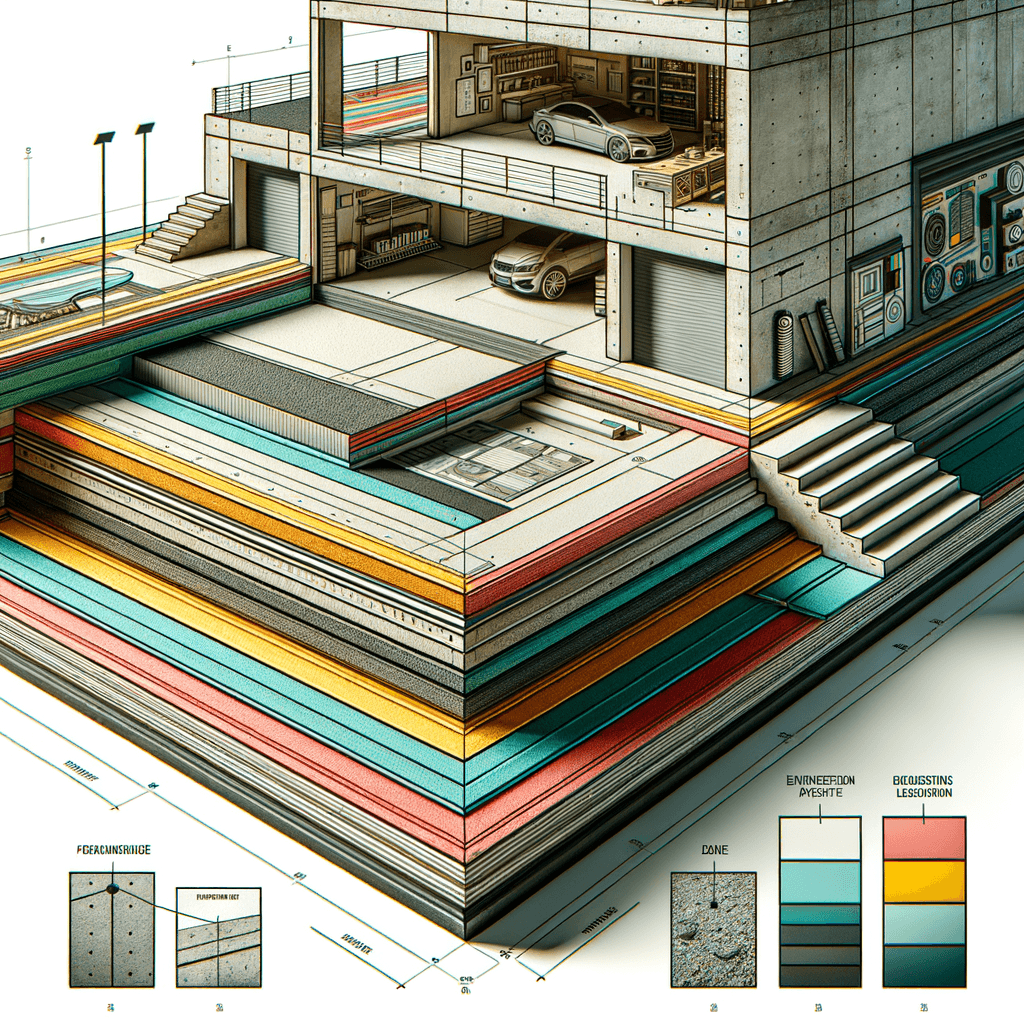
Understanding the Unique Demands of Garage Floors
Garage floors face a unique set of challenges compared to other residential concrete surfaces. They must support the weight of vehicles, resist oil and chemical spills, and endure temperature fluctuations without cracking or spalling. Selecting the right concrete mix and reinforcement strategies is essential for long-term performance.Selecting the Optimal Concrete Mix for Garage Floors
Not all concrete is created equal. For garage floors, a high-strength mix with a compressive strength of at least 4,000 psi is recommended. Incorporating low water-cement ratios and supplementary cementitious materials, such as fly ash or silica fume, can further enhance durability and reduce permeability.- Use a high-strength concrete mix (minimum 4,000 psi)
- Opt for low water-cement ratios to minimize shrinkage and cracking
- Consider supplementary materials like fly ash for improved durability
- Include air-entraining agents for freeze-thaw resistance
“A well-designed concrete mix is the foundation of a garage floor that can withstand decades of heavy use.”
Reinforcement and Joint Placement: Preventing Cracks Before They Start
Reinforcing garage floors with steel rebar or welded wire mesh distributes loads more effectively and helps prevent structural cracking. Strategic placement of control and isolation joints allows the concrete to expand and contract with temperature changes, reducing the risk of unsightly random cracks.| Reinforcement Type | Primary Benefit |
| Steel Rebar | Superior load distribution |
| Welded Wire Mesh | Crack control and secondary reinforcement |
| Fiber Reinforcement | Minimizes microcracking |
Surface Treatments: Enhancing Appearance and Resistance
Applying specialized surface treatments can dramatically extend the lifespan of a garage floor. Epoxy coatings, polyaspartic finishes, and densifiers provide robust protection against chemicals, abrasions, and staining. These treatments also offer aesthetic upgrades, with options ranging from high-gloss finishes to decorative flakes.- Epoxy coatings for chemical and abrasion resistance
- Polyaspartic coatings for rapid curing and UV stability
- Silicate densifiers to harden and dust-proof the surface
- Decorative flakes or metallic pigments for custom looks
“The right surface treatment can turn a utilitarian garage floor into a showcase of durability and design.”
Cost Breakdown: What to Expect When Investing in a Quality Garage Floor
Investing in a premium garage floor involves several cost components, from site preparation and material selection to reinforcement and surface coatings. Understanding these factors can help you budget realistically and avoid unexpected expenses.| Component | Estimated Cost per Sq Ft |
| Site Preparation | $1.00 - $2.00 |
| Concrete Pour & Finishing | $4.00 - $7.00 |
| Reinforcement (Rebar/Wire Mesh) | $0.50 - $1.50 |
| Surface Coating (Epoxy/Polyaspartic) | $3.00 - $7.00 |
Maintenance Tips for Longevity and Performance
Regular maintenance is key to preserving both the appearance and structural integrity of your garage floor. Promptly cleaning spills, resealing coatings as needed, and inspecting for early signs of damage can help prevent costly repairs down the road.- Sweep and wash regularly to remove grit and chemicals
- Clean oil and fluid spills promptly to prevent staining
- Inspect joints and repair minor cracks early
- Reapply sealers or coatings every 2–5 years, depending on use