Concrete Edging Solutions: Defining Boundaries with Style and Strength
By Total Care Concrete Thu Jan 29 20267 minutes
The Role of Concrete Edging in Modern Landscapes
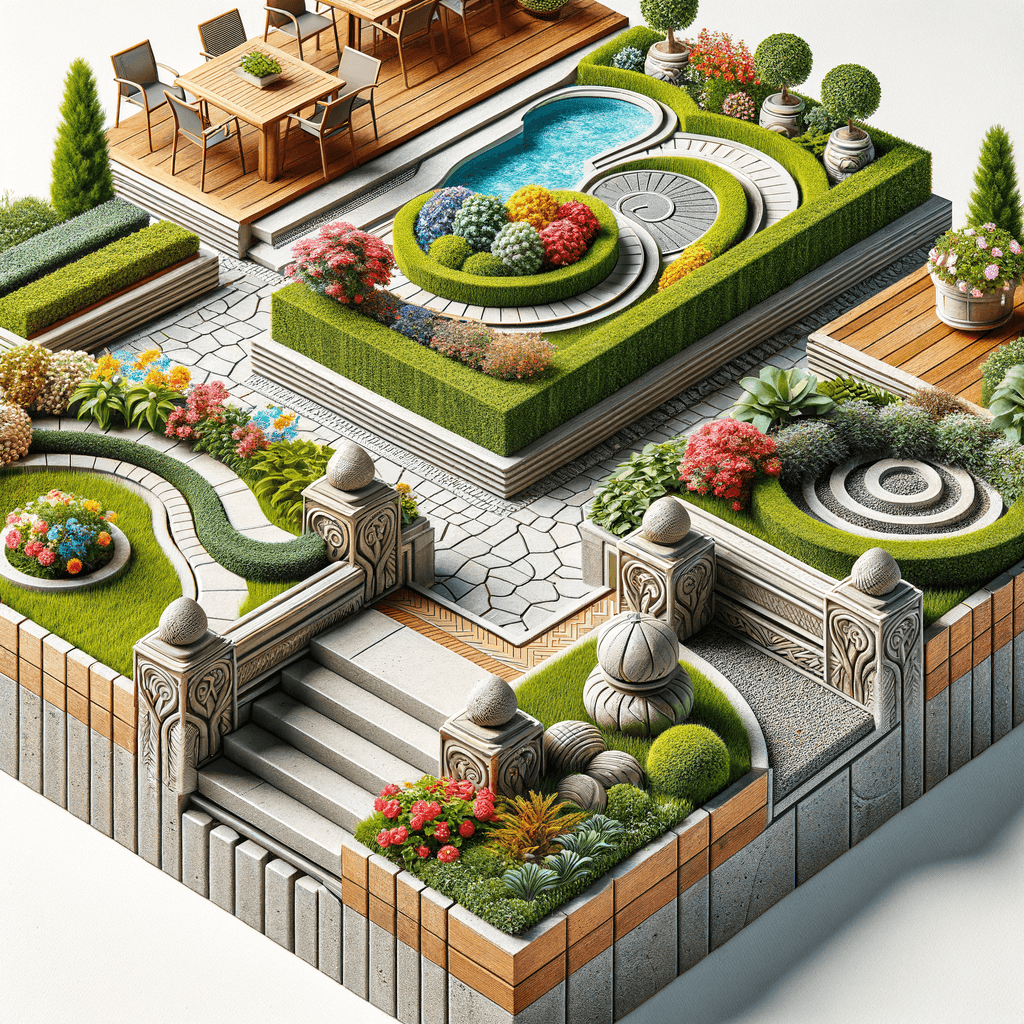
Concrete edging has evolved from a purely functional boundary to an essential design element in landscaping. Homeowners and commercial property managers increasingly seek edging solutions that not only contain mulch or gravel but also elevate curb appeal. As outdoor spaces become extensions of living environments, the demand for durable, attractive, and low-maintenance borders grows.“A well-crafted concrete edge is the silent frame that elevates the beauty of any landscape.”
Types of Concrete Edging: Customization Meets Functionality
Choosing the right type of concrete edging depends on your landscape’s needs and aesthetic goals. Innovations in formwork, color, and finishing techniques offer a spectrum of possibilities that blend seamlessly with both contemporary and traditional garden designs.- Extruded concrete curbing: Machine-laid, continuous borders ideal for sweeping curves.
- Precast concrete blocks: Modular units available in various textures and profiles.
- Stamped and textured edging: Mimics natural stone or brick, adding a decorative touch.
- Integral color edging: Pigments mixed into the concrete for long-lasting, fade-resistant hues.
- Slant and mower-style curbs: Designed for easy lawn maintenance and clean separation.
Installation Techniques: Ensuring Precision and Longevity
Proper installation is crucial to the performance and appearance of concrete edging. From site preparation to curing, each step influences the final result and its resistance to shifting or cracking over time.| Step | Key Actions |
| Site Preparation | Excavate and compact the base, ensuring a stable subgrade. |
| Formwork | Set forms or guides for precise alignment and desired profile. |
| Mixing & Pouring | Use a high-strength mix, add integral color if desired, and pour with care. |
| Finishing | Apply desired texture or stamp, smooth surfaces, and edge cleanly. |
| Curing | Protect the new edging from rapid drying and ensure proper hydration. |
Advantages of Concrete Edging Over Alternative Materials
While wood, plastic, and metal have their place, concrete edging offers distinct advantages in durability, customization, and minimal maintenance. Understanding these benefits can help you make an informed choice for your next landscape project.- Exceptional longevity: Resistant to rot, insect damage, and weathering.
- Design flexibility: Wide range of shapes, textures, and colors available.
- Low maintenance: No need for painting, staining, or frequent replacement.
- Enhanced structural integrity: Prevents erosion and maintains clear landscape boundaries.
Design Trends: Merging Aesthetics with Practicality
Today’s concrete edging is as much about style as it is about structure. Designers are experimenting with bold colors, geometric patterns, and integrated lighting to create visually striking borders that complement planting schemes and architectural features.“Concrete edging is no longer just a boundary—it’s a canvas for creative expression in outdoor design.”
Maintaining and Repairing Concrete Edging for Lasting Appeal
Although concrete edging is renowned for its durability, periodic inspection and maintenance are essential to preserve its appearance and function. Addressing minor issues promptly can prevent costly repairs down the road.- Inspect for cracks or shifting after freeze-thaw cycles.
- Clean regularly to prevent staining from mulch or soil.
- Seal surfaces to enhance color retention and resist moisture intrusion.
- Repair chips or spalls with specialized patching compounds.