
Concrete Edging: Precision Borders for Landscaping and Hardscaping Excellence
By Total Care Concrete Tue Mar 31 20267 minutes
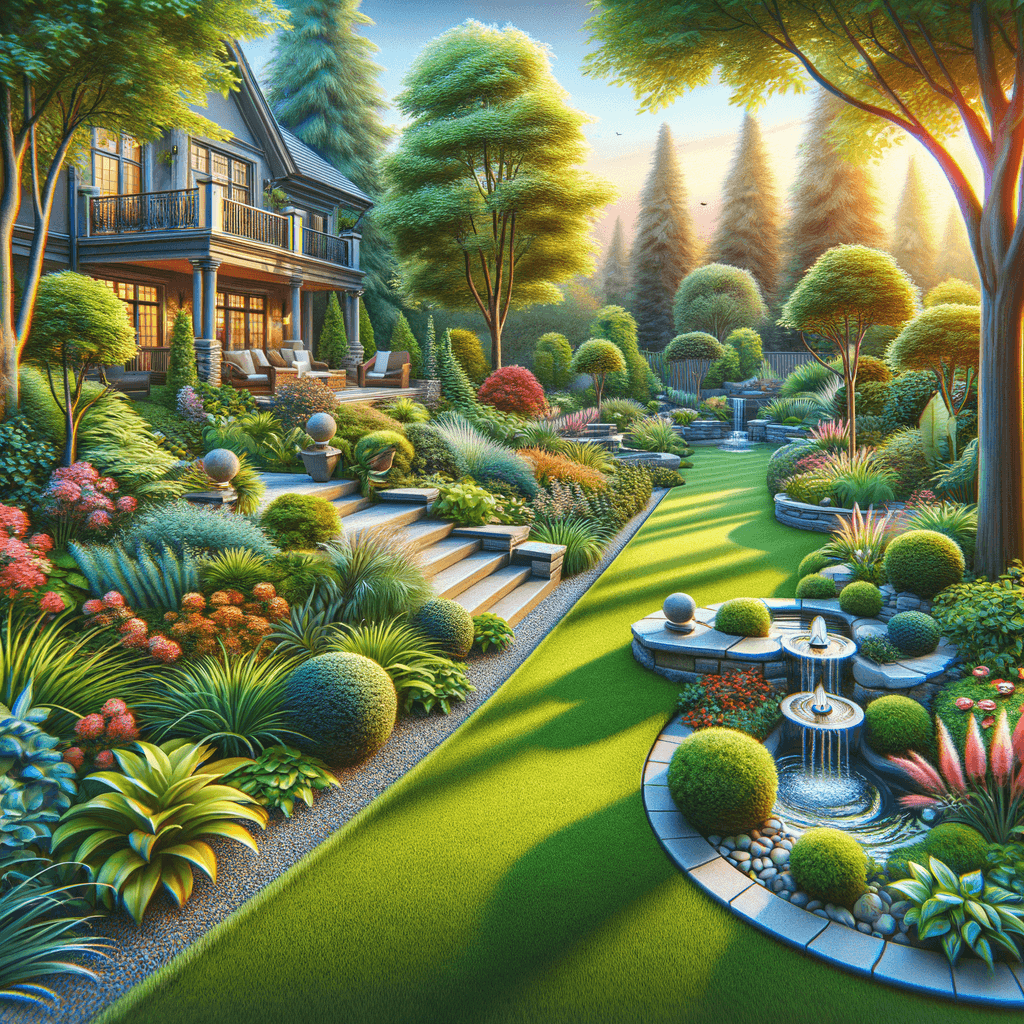
The Role of Concrete Edging in Modern Landscaping
Concrete edging has emerged as a cornerstone in contemporary landscaping, providing both aesthetic definition and functional separation between garden beds, lawns, and hardscape elements. Unlike plastic or metal alternatives, concrete borders offer unmatched durability and a refined appearance that enhances curb appeal. For property owners seeking low-maintenance, long-lasting solutions, concrete edging delivers precision, strength, and design flexibility.“A well-executed concrete edge not only defines space but elevates the entire landscape with its permanence and craftsmanship.”
Key Benefits of Concrete Edging for Gardens and Lawns
- Prevents soil erosion and mulch migration
- Creates crisp, permanent lines between planting areas and turf
- Discourages weed intrusion into garden beds
- Reduces maintenance by acting as a mowing strip
- Enhances overall property value and visual cohesion
Types of Concrete Edging: From Extruded to Precast
Selecting the right type of concrete edging depends on project requirements, soil conditions, and design preferences. Each method offers unique advantages, from on-site customization to modular installation.| Type | Description | Best Use Cases |
| Extruded Concrete Edging | Poured on-site using specialized machinery for continuous, seamless borders. | Curvilinear garden beds, custom shapes |
| Precast Concrete Edging | Manufactured off-site in standard lengths and shapes. | Straight lines, formal gardens, rapid installation |
| Stamped or Colored Edging | Incorporates pigments or patterns for decorative effect. | Thematic landscapes, matching existing hardscapes |
Installation Process: Steps for Professional-Grade Concrete Edging
Proper installation is crucial for longevity and appearance. While some homeowners attempt DIY, professional services ensure precision, compaction, and correct mix ratios.- Site preparation and marking layout lines
- Excavation of a narrow trench to set the base
- Placement of forms or edging machines for shape control
- Mixing and pouring high-strength concrete with appropriate admixtures
- Finishing techniques: troweling, stamping, or coloring as desired
- Curing and sealing to protect against weather and wear
Design Inspirations: Elevating Outdoor Spaces with Creative Edging
Concrete edging is not limited to utilitarian straight lines. Modern trends incorporate sweeping curves, geometric motifs, and custom textures that echo architectural themes or natural elements. Integrating LED lighting, decorative aggregates, or colored inlays can further personalize borders, turning them into focal points rather than mere dividers.Maintenance Tips for Lasting Performance
While concrete edging is inherently durable, a few simple maintenance practices can extend its lifespan and preserve its appearance. Routine inspection for cracks, prompt repairs, and periodic cleaning prevent minor issues from escalating into costly problems.- Sweep debris and organic matter regularly to prevent staining
- Inspect for cracks or shifting, especially after freeze-thaw cycles
- Seal surfaces every few years to enhance resistance to moisture and UV exposure
- Avoid using de-icing salts directly on concrete borders