
Concrete Edging for Landscapes: Defining Spaces with Precision and Durability
By Total Care Concrete Sat Mar 07 20267 minutes
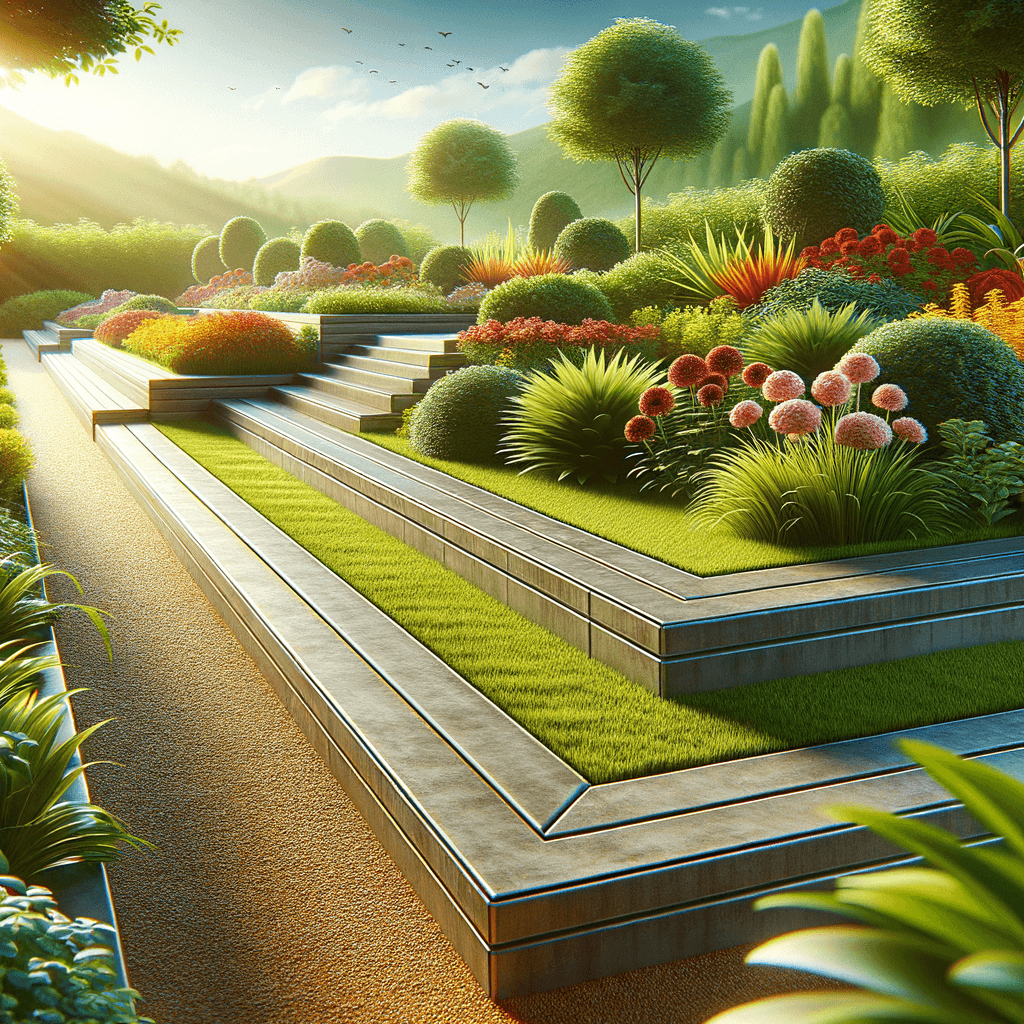
The Role of Concrete Edging in Modern Landscape Design
Concrete edging has evolved from a purely functional border to a pivotal design element in contemporary landscaping. It offers a clean, enduring solution to define garden beds, walkways, and driveways while preventing soil migration and weed encroachment. Homeowners and landscape architects alike recognize its ability to blend aesthetics with structural integrity, making it a preferred choice for both residential and commercial projects.“A well-defined edge is the unsung hero of a polished landscape—subtle, yet transformative.”
Benefits of Concrete Landscape Edging
- Enhanced curb appeal through crisp, continuous lines
- Unmatched durability against weathering and mechanical damage
- Low-maintenance compared to timber or plastic alternatives
- Prevention of grass and weed overgrowth into garden beds
- Customization with various profiles, colors, and textures
Popular Styles and Finishes for Concrete Edging
Modern concrete edging is available in a diverse array of styles to suit any landscape vision. From sleek, minimalist borders to textured or colored curbing that mimics natural stone, the design flexibility is nearly limitless. Specialty finishes such as broom, exposed aggregate, and stamped patterns allow homeowners to coordinate edging with patios, walkways, or exterior architecture.| Style | Description |
| Flat Curb | Simple, understated edge for contemporary gardens |
| Mower Edge | Angled profile for easy lawn maintenance |
| Stamped Pattern | Imitates brick, slate, or cobblestone |
| Colored Curb | Integrally colored or stained for custom looks |
| Exposed Aggregate | Reveals decorative stone for added texture |
Installation Process: What to Expect
Professional installation of concrete edging involves several precise steps to ensure longevity and aesthetic appeal. Understanding the process helps property owners set expectations and communicate effectively with contractors.- Site preparation and layout marking
- Excavation of a shallow trench along the desired border
- Placement of forms or use of specialized curbing machines
- Pouring and shaping the concrete mix
- Application of selected finish (e.g., stamping, coloring, sealing)
- Curing period to achieve optimal strength
Maintenance and Longevity Tips
Concrete edging is renowned for its resilience, but proper care can further extend its lifespan and appearance. Routine inspections and prompt attention to minor cracks or shifting can prevent larger issues down the road.- Inspect for cracks or displacement annually
- Clean with mild detergent and water to remove stains
- Reapply sealer every 2-3 years for color and surface protection
- Address nearby tree roots that may cause lifting or cracking
“Consistent maintenance preserves the integrity and beauty of concrete edging for decades.”