Concrete Curbing: Enhancing Landscape Definition and Durability
By Total Care Concrete Wed Mar 18 20267 minutes
The Role of Concrete Curbing in Modern Landscaping
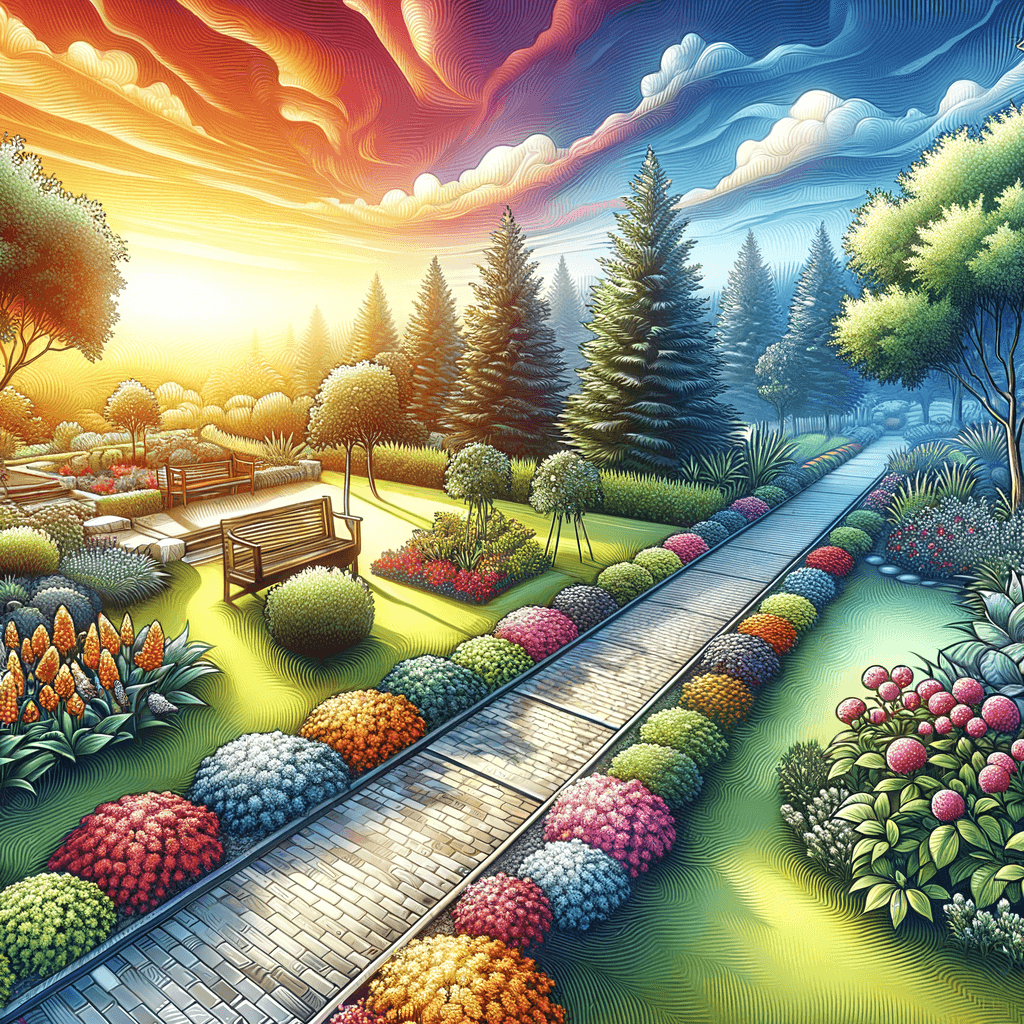
Concrete curbing has evolved beyond its utilitarian roots to become a sought-after feature in residential and commercial landscapes. By providing clean, defined edges between lawns, flowerbeds, and walkways, curbing not only enhances visual appeal but also improves maintenance efficiency. Homeowners and property managers increasingly seek solutions that balance aesthetics, durability, and low upkeep—criteria where concrete curbing excels.“Well-executed concrete curbing is the unsung hero of landscape design, delivering both structure and sophistication.”
Types of Concrete Curbing: Functional and Decorative Options
- Extruded concrete curbing: Installed using specialized machinery for continuous, seamless borders.
- Stamped and colored curbing: Offers decorative patterns and hues to complement landscape themes.
- Slant style curbing: Angled profile ideal for mower-friendly lawn edges.
- Square and mower-style curbing: Straight lines for a crisp, modern appearance.
- Integral curb and gutter: Combines drainage control with edge definition, common in commercial settings.
Installation Process: Steps to a Lasting Curb
Professional installation of concrete curbing involves careful site preparation, precise formwork, and proper curing. The process begins with marking the desired layout, followed by excavation and compaction of the subgrade. Next, forms are set to shape the curb, and a high-strength concrete mix is poured and finished. Attention to detail during curing is crucial to prevent premature cracking and ensure longevity.Comparing Concrete Curbing to Alternative Edging Materials
When selecting landscape edging, property owners often weigh the merits of concrete against alternatives like plastic, metal, or natural stone. Each material offers unique benefits and drawbacks in terms of durability, aesthetics, and cost.| Material | Durability | Aesthetic Options | Maintenance | Typical Lifespan |
| Concrete | High | Extensive (color, pattern) | Low | 20+ years |
| Plastic | Low | Limited | Medium | 5-7 years |
| Metal | Medium | Minimal | Medium | 10-15 years |
| Natural Stone | High | Natural, rustic | Low | 20+ years |
Design Trends in Decorative Concrete Curbing
The latest trends in concrete curbing focus on customization and integration with overall landscape design. Homeowners now opt for bold color accents, natural stone textures, and intricate stamped patterns that mimic brick or slate. These decorative touches not only elevate curb appeal but also reflect personal style.Cost Factors and Project Timeline
The investment in concrete curbing varies based on design complexity, length, and site conditions. While upfront costs may be higher than basic edging, the longevity and minimal maintenance requirements often result in long-term savings. Most residential projects can be completed within a day, with full curing achieved in about a week.| Factor | Impact on Cost |
| Linear footage | Directly proportional |
| Complexity of design | Increases with custom patterns/colors |
| Site preparation needs | Higher for uneven terrain |
| Access and logistics | May affect labor costs |
Maintenance Tips for Preserving Curb Appeal
Maintaining concrete curbing is straightforward but essential for maximizing its lifespan. Regular inspection for cracks, prompt repairs, and occasional resealing help prevent water infiltration and surface degradation. Avoiding harsh deicing chemicals and heavy equipment near the curbs further extends their durability.- Inspect curbing annually for cracks or spalling.
- Reseal every 2-3 years to protect against moisture and staining.
- Remove weeds and grass encroachment along the edges.
- Avoid impact from snow plows or lawn equipment.